Finest Water Resistant Materials for Camping Tent Footprints
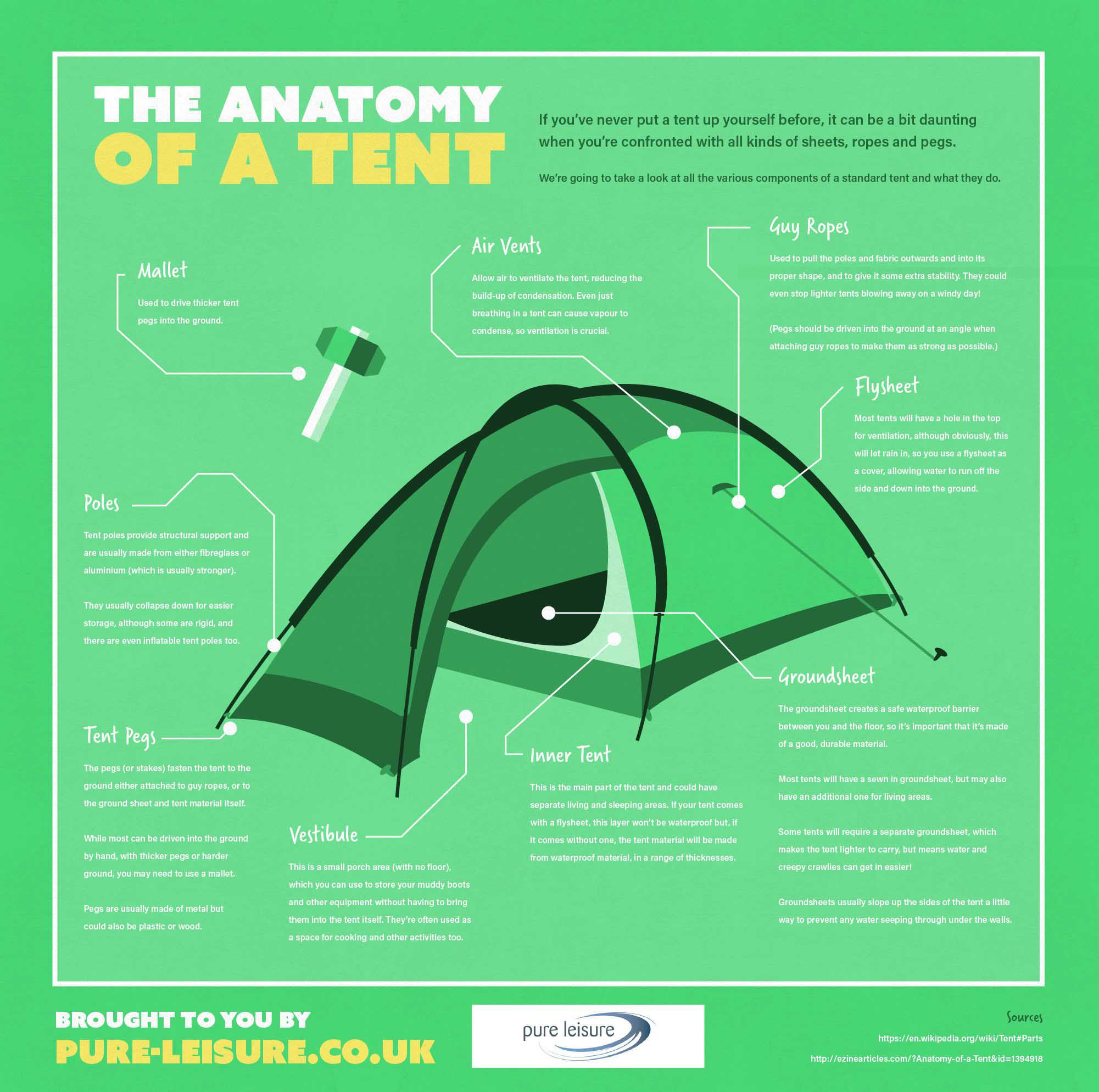
An outdoor tents impact is among those items of camping gear that quietly does a great deal of hefty training. Put below your tent, it guards the flooring from wetness leaking up from the ground, protects versus abrasion from rocks and origins, and prolongs the life of your camping tent considerably. However not all impacts are made equal-- the product they are made from determines exactly how well they in fact maintain you dry, the length of time they last, and just how much weight you wind up carrying into the backcountry. Here is a malfunction of the very best water-proof materials utilized in outdoor tents footprints today, so you can select the ideal one for your following adventure.
Why Material Choice Matters
Before diving into particular materials, it aids to understand what a good impact product needs to do. It needs to be extremely immune to water penetration from below, long lasting sufficient to withstand repetitive contact with harsh surface, and light sufficient not to come to be a worry on multi-day journeys. Breathability is generally not a priority here-- unlike rain jackets-- because the goal is to create a near-impermeable barrier in between you and the damp earth.
Polyethylene: The Budget-Friendly Workhorse
Polyethylene (PE) is among the most typically made use of materials in budget friendly tent impacts and ground tarpaulins. It is a plastic-based fabric that is inherently water-proof, resistant to mold, and hard adequate to handle rocky camping sites without tearing conveniently.
Benefits
Polyethylene footprints are generally one of the most cost-efficient alternative on the marketplace. They do not soak up water, indicating they dry off swiftly and do not add added weight when wet. They are also extensively offered and come in a range of thicknesses.
Drawbacks
The major disadvantage is weight and mass. Heavier PE materials can really feel stiff and difficult to load. They are additionally not one of the most packable alternative, which is a genuine worry for backpackers trying to cut weight.
Nylon with Polyurethane Coating
Layered nylon is a prominent option among outdoor gear producers seeking to stabilize weight, toughness, and waterproofing. The base nylon material supplies strength and adaptability, while the polyurethane (PU) layer on the bottom includes the waterproof obstacle.
Benefits
Nylon footprints are substantially lighter and much more packable than polyethylene choices. They also have a tendency to really feel more supple and much easier to fold up down into a things sack. Numerous top quality impacts-- those developed specifically to couple with an outdoor tents model-- utilize this building.
Disadvantages
Gradually, PU layers can delaminate, specifically if the impact is saved damp or exposed to long term UV light. Routine care and appropriate drying before storage space can prolong the coating's life expectancy dramatically.
Silnylon: The Ultralight Option
Silnylon, or silicone-coated nylon, takes things an action even more for weight-conscious walkers. Instead of a polyurethane coating, silicone is impregnated right into the nylon fabric on both sides, producing a material that is lighter, stronger, and much more waterproof than basic coated nylon.
Advantages
Silnylon impacts can be extremely slim and light while still using superb waterproofing. They are preferred among ultralight backpackers and thru-hikers that count every gram. The silicone coating additionally resists UV destruction better than PU coatings, giving silnylon a much longer efficient life-span.
Downsides
Silnylon is extra pricey than typical nylon choices. It additionally tends to stretch when damp, which can cause the impact to move out of position overnight if not staked down camping tents for effectively.
Dyneema Compound Fabric (DCF)
Formerly called Cuben Fiber, Dyneema Composite Material is the costs option for ultralight campers that demand the best performance. DCF is made from ultra-high-molecular-weight polyethylene fibers laminated flooring in between thin layers of polyester film.
Benefits
DCF is astonishingly strong for its weight and is totally water-proof with no added coating. It does not absorb wetness, does not extend, and is immune to UV damage. A DCF impact can evaluate simply a couple of ounces while still providing reputable ground security.
Downsides
The cost is the greatest barrier. DCF gear regulates a superior price, and impacts made from it can be substantially a lot more expensive than various other options. It can additionally crinkle and is much less abrasion-resistant than heavier products in extremely rocky settings.
Polycro: The DIY Ultralight Favourite
Polycro is a slim polycryo plastic movie commonly utilized by ultralight walkers as a do it yourself ground sheet. It is essentially a high-performance home window insulation movie that happens to be feather-light and water-proof.
Advantages
Polycro is exceptionally lightweight and very cost-effective. It can be cut to the specific form of your tent flooring, which keeps weight and size to an outright minimum.
Drawbacks
It is the least sturdy choice on this list. Polycro is prone to tearing on harsh ground and normally lasts just a period or 2 of normal usage prior to needing substitute.
Choosing the Right Product for Your Needs
The very best water resistant product for your camping tent impact inevitably relies on just how you camp. Auto campers can manage to focus on longevity and price financial savings with polyethylene or coated nylon. Weekend break backpackers will discover silnylon a wonderful area of weight, toughness, and price. Dedicated ultralight hikers and thru-hikers will certainly gravitate toward DCF or polycro depending on their spending plan.
Regardless of which material you pick, a great footprint is constantly a worthwhile financial investment-- safeguarding both your tent flooring and your evening's sleep from whatever the ground has in shop.